As you use your home
Notice doors that drag, handles that loosen, or drawers that no longer close smoothly. Write down what changed and where it happens.
You do not need to do the hard work before asking for help. Use this easy checklist, and skip anything that is not safe or practical for you.
Request a Quote
Notice doors that drag, handles that loosen, or drawers that no longer close smoothly. Write down what changed and where it happens.
Review worn surface seals, drafty door edges, and frequently used hardware. A small, prioritized maintenance list is easier to plan than a last-minute rush.
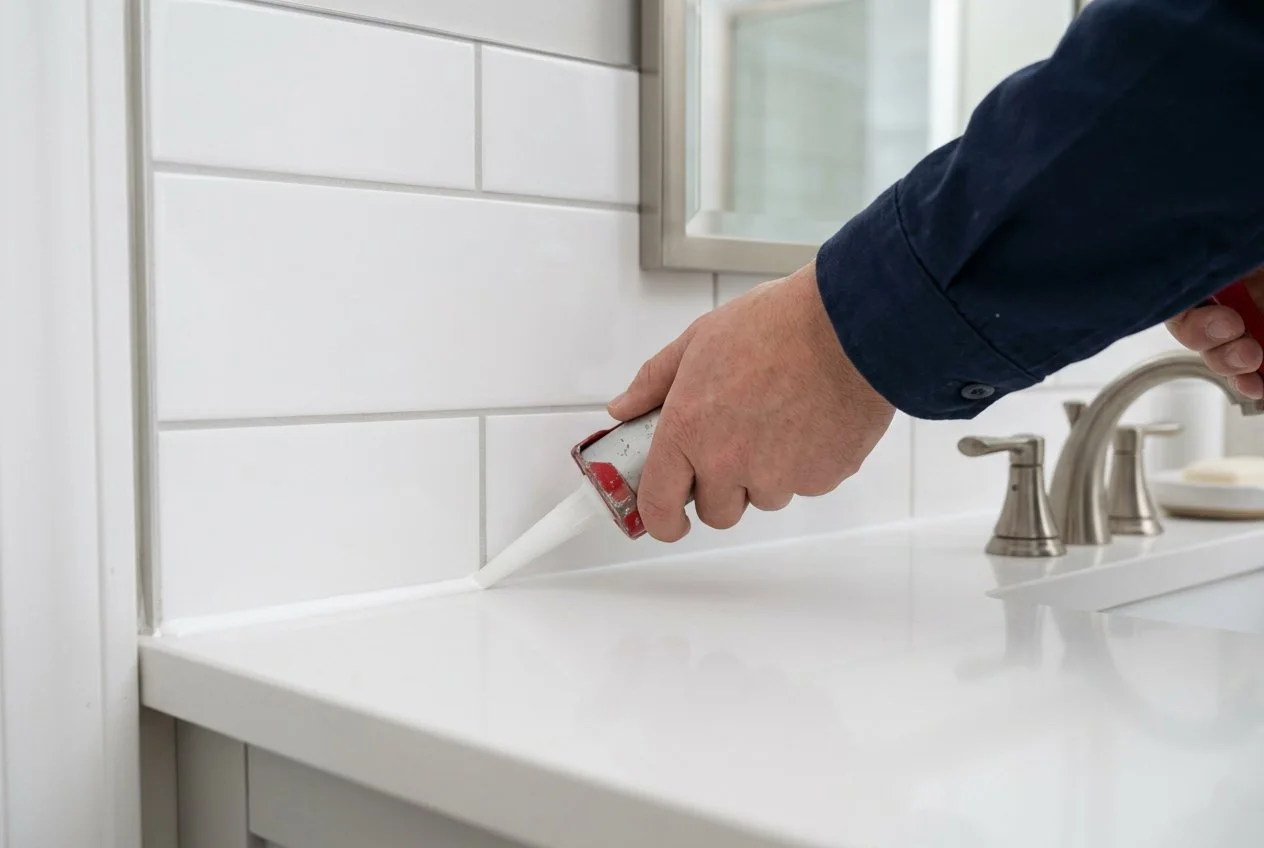
Save a product label, take a photo if it is safe, and ask whether a repair is practical. Matching materials and sound backing can make all the difference.
Do not climb, lift heavy items, or disturb suspicious materials to inspect a problem. Recurring moisture, movement, electrical issues, or gas odors need an appropriate specialist or emergency response—not a cosmetic patch.
“The cupboard won’t stay closed” is enough. Add the room and how long you have noticed the issue. Put the most important item first.
A close-up and a wider view can be useful. Do not climb a ladder, bend into an unsafe position, or move heavy furniture to get a photograph.
Save the paint label, furniture model, hardware packaging, or spare tile if available. You do not need to buy replacement parts before the scope is reviewed.
If your home has a landlord or property manager, confirm any permission needed before requesting changes. Agree who can approve the work and who will be present.
Tell us about stairs, parking restrictions, pets, quiet times, or items that must not be moved. Keep a working path clear only where you can safely do so.
Before agreeing, ask what is included, who supplies materials, how pricing works, and whether there are limits or possible follow-up tasks.
Gas odors, active electrical hazards, significant leaks, structural movement, suspected hazardous materials, and immediate fall or medical emergencies are not ordinary maintenance tasks. Contact an appropriate emergency service or licensed specialist.
Handyman work can address many everyday repairs, but it should not conceal an unresolved problem. Tell us if damage is recurring, spreading, or connected to water or movement.
Explore Our ServicesOne small fix or a whole list. Let’s talk about what you need.